
Buy a Home in Northeast Ohio Without the Surprises
Buying a house in Greater Cleveland or Lorain County involves more steps than most national guides describe — and a few local ones that can cost you real money if you don't know they're coming. We represent buyers across Cuyahoga, Lorain, Lake, and Summit counties, and we walk every client through the full process before a single offer gets written.
Down Payment Assistance in Ohio Is More Available Than Most Buyers Realize
The Ohio Housing Finance Agency runs several programs that can put real money toward your purchase — and the eligibility rules are broader than most buyers expect.
OHFA's first-time buyer definition includes anyone who has not owned a primary residence in the past three years. If you sold a house in 2021 and have been renting since, you may qualify as a first-time buyer under Ohio's programs.
Current OHFA programs include:
- Your Choice! Down Payment Assistance — provides 2.5% or 5% of the home's purchase price as down payment and closing cost help, structured as a forgivable grant or a deferred second mortgage depending on which option you select.
- Ohio Heroes — offers a reduced mortgage interest rate for qualifying public service workers, including teachers, nurses, law enforcement officers, and first responders, combined with down payment assistance.
- Grants for Grads — available to recent college graduates who plan to live in Ohio long-term, offering a discounted interest rate and down payment assistance tied to staying in the state.
- City of Cleveland Down Payment Assistance — a locally administered program for buyers purchasing within Cleveland city limits. Income and property limits apply.
Rates, income limits, and purchase price caps change periodically. For current figures, visit ohiohome.org or ask us to connect you with an OHFA-approved lender in our network.
What Homes Actually Cost Across Our Service Area
Northeast Ohio's buyer market spans a wide range of price points. Understanding where different cities sit helps you target your search efficiently.
Entry-level markets like Elyria and Lorain regularly produce move-in-ready single-family homes in the $100K–$160K range, making them among the most accessible in the region for first-time buyers and investors alike. Mid-market cities including North Ridgeville, North Olmsted, and Parma tend to run $160K–$260K, with solid inventory across ranch, colonial, and split-level styles. Lakewood and Cleveland's west-side neighborhoods offer a wide spread — from fixer-uppers under $130K to renovated homes approaching $300K — depending heavily on the specific street and condition. Westlake and Avon sit at the upper end of our primary market, with most single-family inventory in the $280K–$400K range and newer construction available above that.
We work across all of these markets. If you're not sure where your budget gets the most house, that's a conversation worth having before you start touring.
Written Terms Before the First Showing. Your Timeline, Not Ours.
Buyer representation at YUR Better Homes is governed by a written buyer agreement that specifies the scope of our representation and its duration before we begin showings. You know what you're agreeing to before we start. There's no ambiguity about who we're working for — and no pressure to move faster than your situation warrants.
We represent buyers across Cuyahoga, Lorain, Lake, and Summit counties. Whether you're buying your first home or adding to a portfolio, the process and the representation are the same.
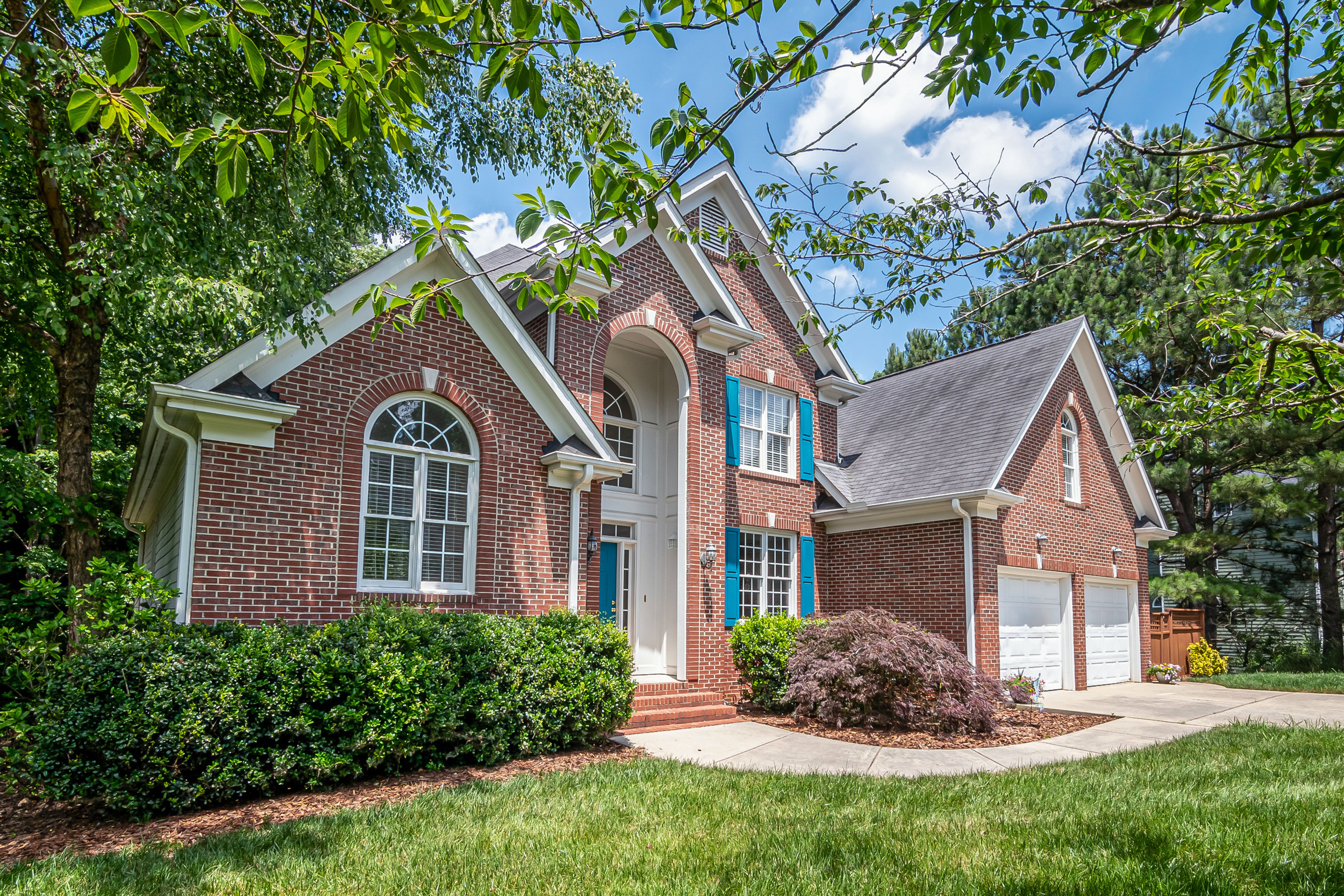
How Buying a House Actually Works in Northeast Ohio
The general outline — pre-approval, search, offer, inspection, appraisal, closing — is the same everywhere. The details in this market are not.
1. Pre-Approval
Before we schedule a single showing, you need a pre-approval letter from a lender. This tells you your actual price range, locks in your rate environment, and makes your offers credible in a competitive situation. If you need a lender referral, we have OHFA-approved contacts we can introduce you to.
2. Search and Offer
We search active listings across the MLS and identify properties that match your criteria on price, condition, and location. When you're ready to move on a property, we write the offer — including contingencies that give you the ability to exit cleanly if something goes wrong in due diligence.
3. Home Inspection
Ohio does not legally require a home inspection, but waiving one is a risk we will always name clearly. A licensed inspector examines the structure, systems, and mechanical components of the property. If the inspection surfaces problems, you can negotiate repairs, a price reduction, or walk away within the contingency window.
4. Municipal Point-of-Sale Inspection
This is the step that catches out-of-market buyers off guard. A significant number of municipalities in Greater Cleveland and Lorain County require a point-of-sale inspection before a property can transfer ownership. These are city-administered inspections that flag code violations — and the outcome can affect your closing.
Depending on the municipality, violations may need to be remediated before closing, or a buyer may be asked to assume responsibility for them or fund an escrow account. We confirm each property's municipal requirements and any open violations before you write an offer, so you know what you're walking into before you're committed.
5. Appraisal and Mortgage Underwriting
If you're financing the purchase, your lender will order an appraisal to confirm the property's value supports the loan amount. Underwriting reviews your full financial file. Both happen in parallel with your inspection period.
6. Closing
Ohio closings typically take 30 to 45 days from accepted offer to keys in hand, though cash purchases can close faster. You'll sign final documents, fund the remaining closing costs, and take title.
Common Questions From Northeast Ohio Home Buyers
Who pays the buyer's agent in Ohio?
In most transactions, the seller offers a buyer's agent commission as part of the listing. Under current NAR settlement rules, buyer agent compensation must be agreed to in writing before showings begin — which is what our buyer agreement documents. In some situations, particularly with for-sale-by-owner properties or listings that offer no buyer's agent compensation, we'll discuss how compensation works before we proceed.How long does closing take in Ohio?
A financed purchase typically closes in 30 to 45 days from accepted offer. Cash purchases can close in 10 to 21 days depending on how quickly title work and any required municipal inspections can be completed. Your timeline depends on your lender, the specific municipality, and how cleanly the property clears inspection.Is a home inspection required in Ohio?
No, Ohio law does not require a home inspection. However, most lenders require an appraisal, which is not the same thing — an appraisal establishes value, not condition. We strongly recommend a licensed home inspection on every purchase. It is the primary tool you have to understand what you're buying before you're legally obligated to buy it.What happens if the point-of-sale inspection finds violations?
It depends on the municipality. Some cities require violations to be corrected before the sale can close. Others allow the buyer to assume the violations with a signed acknowledgment, or permit an escrow holdback funded at closing to cover remediation. We identify the specific requirements for each property's city before you make an offer, so you can factor the outcome into your decision rather than discover it at the closing table.Do I need a buyer's agent to buy a house in Ohio?
Ohio does not require it, but buying without representation means negotiating directly against a listing agent whose fiduciary duty runs to the seller. A buyer's agent reviews disclosures, coordinates inspections, negotiates on your behalf, and flags local issues — including municipal point-of-sale requirements — that a first-time buyer or out-of-market buyer is unlikely to know to look for. What credit score do I need to buy a house in Ohio? Minimum credit score requirements vary by loan type. FHA loans generally require a 580 or higher for 3.5% down, though some lenders set their own overlays above that floor. Conventional loans typically require 620 or higher. OHFA programs have their own credit requirements, which an OHFA-approved lender can confirm based on your current profile. We can connect you with a lender who will give you a clear picture of where you stand before you start shopping.